Monday, September 10, 2018

September 10, 2018

5th standard history book in marathi pdf
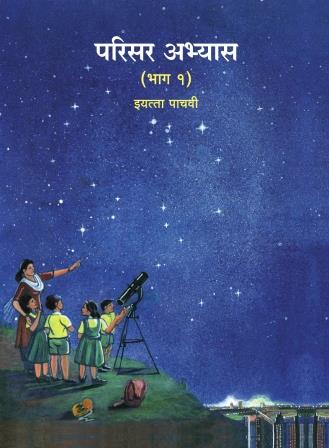

 
५ वी परिसर अभ्यास भाग-१ मराठी
Download 
 
५ वी परिसर अभ्यास भाग-२ मराठी
Download 
 
५ वी बालभारती मराठी
Download 
 
५ वी माय इंग्लिश बुक मराठी
Download 
 
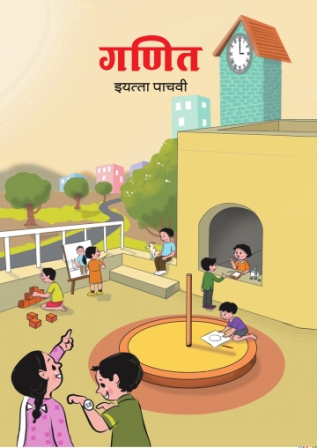
५ वी गणित मराठी
Download 
 
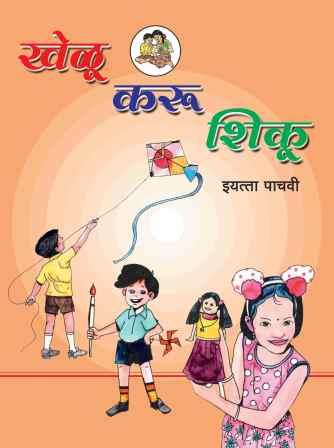
५ वी खेळू, करू, शिकू मराठी
Download 
 
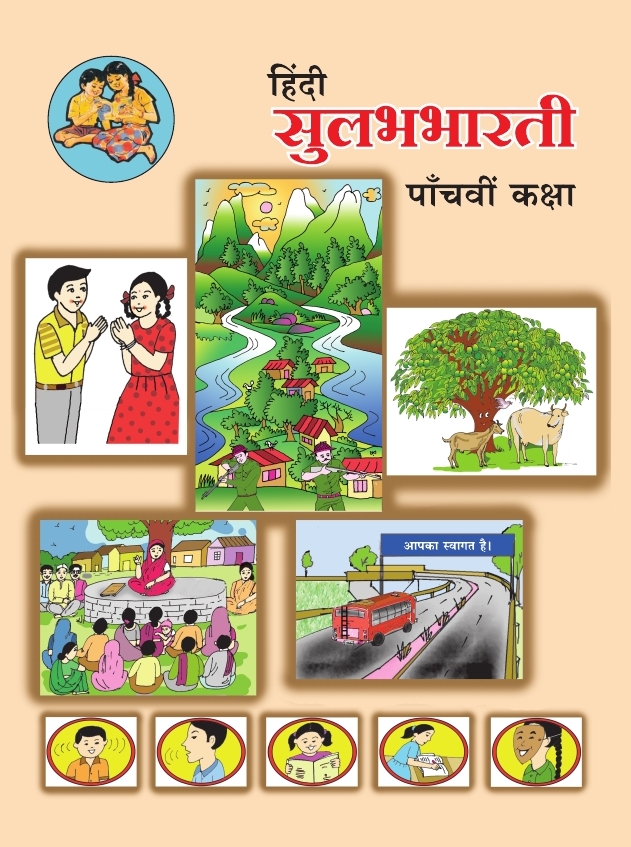
५ वी सुलभभारती हिंदी
Download 
 
५ वी सुगमभारती हिंदी
Download 
 
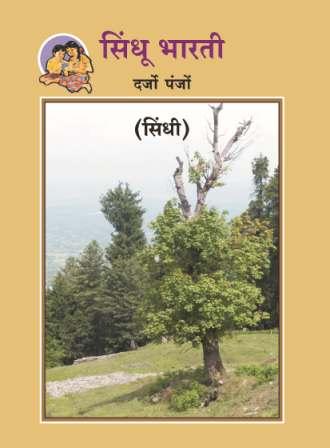
५ वी सिंधुभारती सिंधी देव
Download 


5th standard maths book pdf maharashtra 5th standard history book in marathi pdf 5th standard english book maharashtra pdf 8th standard marathi book pdf 6th standard history book in marathi pdf maharashtra state board 10th std books pdf 8th standard science book in marathi pdf 5th standard syllabus maharashtra board 5th standard history book in english maharashtra state board 9th std books pdf geography of maharashtra in marathi pdf 5 standard books balbharti old books balbharti english textbook std 5 5th standard hindi textbook 9th class books download 5th standard science book cbse 5th standard geography home revise 5th std history 6th class ssc science textbook 8th standard english book maharashtra board 5th standard marathi book english medium 6th std marathi medium science book 5th std all books 5th standard maths book english medium 5th standard maths book pdf in gujarati 5th standard geography book pdf 5th std marathi question paper pdf textbook download maharashtra state board 11th maths book pdf 10th standard books free download ssc english textbook pdf 11th chemistry digest pdf maharashtra board 11th biology textbook pdf english balbharati std 8 answers english balbharati std 7 digest balbharti font 5th std english poem 5th standard maths syllabus 5th standard science 12th physics book pdf maharashtra board 5th standard english guide free download 5th standard marathi home revise 5th std marathi 5th standard hindi subject home revise 9th std english medium 5th standard evs book home revise 10th english medium 5th std marathi question paper 2018 5th standard marathi lessons 5th standard science book in marathi pdf 5th std marathi poems the earth and its living world std 5 5th std english state syllabus 5th standard social science book kerala textbooks online nic books std05 msss 5th standard social science book in tamil pdf
Tuesday, August 28, 2018

August 28, 2018

Ganesh chaturthi 2018


ganesh chaturthi 2018
ganesh chaturthi 2018 date in india
ganesh chaturthi 2018 in maharashtra
ganesh chaturthi 2018 date in india calendar
ganesh chaturthi 2018 visarjan
ganesh chaturthi 2018 january
ganesh visarjan 2018
ganesh chaturthi 2018 songs download
ganesh chaturthi 2018 in mumbai
ganesh chaturthi 2017
vinayaka chavithi 2017
ganesh chaturthi story
ganesh mumbai
mumbai holidays 2017
anant chaturdashi 2018
magh ganesh chaturthi 2018
ganesh chaturthi 2021
ganesh chaturthi 2018 april
vinayaka chavithi 2019
ayudha pooja 2018
new train for ganpati festival 2018
vinayaka chaturthi 2018 in tamil nadu
dasara 2018 date
gauri ganpati 2018
ganesh chaturthi programs
1st november 2017 holiday
ganesh chaturthi 2018 july
biswakarma puja 2018
how to perform ganesh chaturthi puja at home
happy vinayaka
sankashti chaturthi 2018 maharashtra
chaturthi wishes
ganesh chaturthi 2018 images
vinayaka chaturthi fasting
ganesh chaturthi after purnima
ganesh chaturthi 2018 start date
ganesh chaturthi pujan vidhi

Sunday, July 8, 2018

July 08, 2018

Why millennials think old is cool


From Phantom candy to Friends, some youngsters hanker for ‘simpler times’ that are before their time


What do Shah Rukh Khan, Chacha Chaudhary and the music of Backstreet Boys have in common? They’re yuge (as a certain US president would say) with millennials for whom they represent nostalgia — a “simpler time” they never actually lived through.

The hankering for the past isn’t an Indian affliction. Many foreign mags have dubbed millennials — those born between the early 1980s to the mid-1990s — “the most nostalgic generation ever”. Here, it’s the reason why one can buy Phantom candy cigarettes, a sweet fragment of youth from two generations ago, online. It is also why the moves to the Macarena are burnt into the minds of millennials who spent their early lives memorising this ’90s dance.


Sumedha Chakravarthy, 23, is a fan of the SRK-starrer Duplicate which released 20 years ago. “I miss the realness and innocence of the ’90s films. Take the clothes, for instance, they look like something that might actually be in my closet.”

But why this strange yearning for eras they haven’t lived in? “I think that’s a result of television, you become a part of a certain kind of culture that you aren’t a part of,” says child counsellor Harshita Kaushal, 23.

MARKETING THE PAST

Content providers and advertisers have been quick to pick up on this trend. Whether it’s introducing a new generation to Archie comics through a tele-drama like Riverdale or the upcoming TV adaptation of Karan Johar’s 2001 movie Kabhi Khushi Kabhie Gham, they realise there’s a connect to young viewers.

Sameer Saxena, chief content officer of TVF, is the creator of the upcoming webseries Yeh Meri Family, a show about family life set in the ’90s. “We definitely had nostalgia in mind when conceiving of the show. All of us want to go back to those fun times. We knew how to be happy with smaller things and we wanted to capture that emotion through the show.”

A brand whose marketing relies on the rising tide of nostalgia is Paper Boat. “We want to remind consumers of their childhood through the stories we share with them, and we’re heavily inspired by symbols of nostalgia like R K Narayan’s Malgudi Days,” says Neeraj Kakkar, CEO and co-founder.

SCIENCE OF NOSTALGIA

Psychologist Clay Routledge, who studies nostalgia at North Dakota State University, says there are two types of nostalgia: autobiographical (a fondness for your own memories) and historical (a fondness for broader cultural ones).

“There’s this notion that younger generations stay connected to older generations because we pass down our nostalgia,” Routledge told Co.Design. “So I think one way this historical nostalgia works is, just like people pass down keepsakes in their family, we pass down memories.”

Academic Diana Mendes argues that romanticised nostalgia stems from living in uncertain times. “While we repudiate the life experienced by our grandparents and great-grandparents, we feel secure when we open a book and scribble in it, or when we inherit our father’s oversized denim jacket,” she says.

It’s probably why re-runs of Friends are still on (it’s even on Netflix), and younger audiences embrace Rachel, Chandler, Ross, Monica, Joey and Phoebe who symbolise friendship in a pre-Facebook friend era.

Technological changes are cited as an important factor for this sentimental longing. Lawyer Amshula Chauhan, 25, says the advent of social media was a huge shift. “Everything just changed so quickly. You’re ten and everything is normal and then suddenly a year later, there are chat rooms and social networking sites,” she says. “When so much changes in a short span of time, you become nostalgic for something that happened five months ago.”

Ironically, the expression of nostalgia is digital. Just look at the number of Twitter handles that post vintage photos, a sepia-tinted mix of nostalgia and history. Anusha Yadav of the Indian Memory Project, a popular online archive that traces Indian history through family photos, says, “Millennials are the reason history is cool again. When the memory project began, it was this generation that was interested in their grandparents’ photos and knew how to share them.”

Not such a bad thing, right? Especially when it leaves you with a warm fuzzy feeling.
July 08, 2018

GETTING JUNIOR TO JUNK


As doctors in Delhi operate on the world’s heaviest teen, a look at how some parents are fighting fat in their own way

Did the story of the 14-year-old Delhi boy who is the world’s heaviest teen at 236kg shock you? His diet of pizza, pasta and fries wouldn’t have. These are what an increasing number of Indian kids are consuming which, combined with a sedentary lifestyle, is leading to a growing child obesity crisis. At 14.4 million, India is now home to the second-highest number of obese children in the world after China.

But some parents are going the extra mile to inculcate healthy eating habits in children, in the hope that these will shape their food preferences as they get older.


Mumbai-based Reema Iyer started early, with a no-sugar, no-salt diet for her daughter in the first year as well as swapping packed infant formula for homecooked food. Initiating Shruti to everything from bitter gourd and bottle gourd to jowar and raw ginger juice has helped give her a varied palate. The family rarely eats out or orders food. Now eight, Shruti is tempted by desserts, but doesn’t binge on them. “I can eat rasgullas, but she can’t take that level of sweetness,” says Iyer.

Stop presenting fast-food as a reward that they can earn for good behaviour as it only makes it aspirational, she says. And don’t be scared of tantrums. “You’re the parent. It’s okay to say no if the child is asking for something unhealthy,” says Iyer, who admits that she’s judged by other moms who have no qualms about having “junk food days” and serving fast-food at kiddie birthday parties.

When entrepreneur Meghana Narayan had her first child, her food role model was her grandmom who lived till 94 and was very active. She started her daughter’s solid food intake with ragi porridge with a dash of jaggery, and traded refined sugar, oil, flour and transfat for millets, cold-pressed oils, non-antibiotic meat and lots of greens.

“As a result of my keeping her off refined sugar and salt, she doesn’t have a taste for them,” says Narayan. “Even though she’ll want a lollipop because it’s colourful, she will return it after a few licks.” Narayan has managed to keep her sixyear-old daughter off colas. “You can’t say no to everything but you have to introduce them to the healthier alternative, sometimes even two healthier options, and they will pick one,” she says.

While relatives may diss such rules with statements like ‘this is the age to eat’, most aware parents realise that while chubby looks cute it may lead to a lifetime of obesity and related health problems.

Doctors say the obesity crisis shouldn’t be taken lightly. In 2017, a study revealed that 11-18% of Indian children are obese. “In the metros, the prevalence is about 25%,” says Dr Vandana Jain, paediatrics professor at AIIMS. The causes are dietary (preference for fast and refined food, low fibre intake and moving away from a balanced, home-cooked diet), minimal physical activity and sleep deprivation. Significantly, Jain’s 2016 ICMRfunded study on the presence of non-alcoholic fatty liver disease in over 200 children with obesity revealed that in over 90% of cases, parents were also obese, underlining the role of “shared lifestyle in the family”.

Nutritionist Rujuta Diwekar, who is writing a book on healthy eating for children, says we are raising kids in an “obesogenic” environment, with several factors making kids vulnerable to weight gain: no access to walking or cycling tracks to go to school, buildings having more parking space than playing areas, easy availability of junk food around and inside schools, and absence of curbs on food advertising.

Bengaluru-based food blogger, nutritionist and author of The Everyday Healthy Vegetarian Nandita Iyer goes beyond diet control. She educates her nine-year-old son about nutrition through videos and conversations, as well as introduces him to the pleasures of growing and chopping vegetables or making a sandwich.

Reema Iyer and her husband too take their daughter for farm visits so she knows where food comes from. “The kids at the NGO where I volunteer can’t even identify basic veggies like cauliflower,” says Iyer.

Rushina Munshaw-Ghildiyal, who runs workshops on everyday cooking for children in Mumbai, believes that learning how to cook enables kids to make better food choices. “It is an essential life skill. Kids need to learn how to cook food for themselves, not just cupcakes or brownies,” she says. “We’ve had many cases of children who don’t eat vegetables becoming more open-minded. Our most popular session is on making dal-chawal.”

It is as important for parents to examine their own eating habits and lifestyle. “If I’m having a cold drink, but the child is restricted, why will she listen? We realised that if we control ourselves and align ourselves to healthier food, my daughter will have a foundation for life,” says Noida-based Ratna Joshi. She ensures that her daughter is involved in different kinds of physical activities through the week: skating on three days, kathak on two days, and western dance for the remaining two. “It’s a way to keep her both happy and healthy,” she says.

Model-turned-television chef Amrita Raichand suggests that parents can present nutritious versions of their children’s favourite foods in creative ways. “Pick up on what your child wants and add a healthy touch by introducing fruits in smoothies, vegetables in pizzas, pancakes with oats and bananas,” she says. “As they grow older, they will move to healthy food on their own.”

“The best way to put a child off healthy habits is to talk carbohydrates and proteins at the dining table,” says Diwekar. “The key is not just to talk but do. Kids watch more than they listen.” She suggests that parents educate kids not just about avoiding sugar, calories or fat, but by living more responsibly. “They have to be able to identify it as junk and not associate aspiration or prestige with it,” she says.

Saturday, July 7, 2018

July 07, 2018

Balbharati’s Class X syllabus corrections run into 27 pages


Many Errors Yet To Be Fixed, Say Academicians


Balbharati, which has published Class X textbooks for state board students for the first time this academic year, has come up with a 27-page correction list. After various subject experts pointed out glaring errors in the original syllabus, it set out to correct spellings, grammar, sentence formation and description, as well as mathematical equations. The changes will reflect in its first edition of textbooks. The first set of corrections is already up on the Balbharati website.


Till 2017, the textbooks were written by the state board itself, which used to be riddled with errors. While teachers have welcomed the more interactive and activity-based Balbharati textbooks, errors have continued to crop up in these too.

Though Balbharati has corrected several mistakes in the new textbooks, academicians have highlighted many more that need to be fixed. (See box).

Science teachers had pointed out errors in grammar, sentence formation and description of the female reproductive system. In paragraphs describing it, a sentence read: “A pair of bulbo-urethral gland is also present.” The bulbo-urethral glands are part of the male reproductive system. This statement was corrected to: “A pair of Bartholin’s gland is also present”. Spelling were fixed too.

In the history and political science book, a total of 13 corrections were made. In the original text, the book described the cleanliness movement as Clean Bharat Campaign. It has been corrected to Swachch Bharat Campaign. Similarly, the term “trade unions” was replaced with “labour movement”. Spelling of the word “Constitution” was corrected. The line which implied that the NOTA (none of the above) option is given during an election only because of voting machines was deleted.

Thursday, November 23, 2017

November 23, 2017

Boli bhasha in maharashtra

बोलीभाषा आणि ज्ञानभाषेचे नाते मायलेकीचे
bolibhasha
boli bhasha in maharashtra
boli bhasha in marathi
maharashtratil boli bhasha

१२५ वर्षांपूर्वीची तुकारामाची कविता त्यांच्या बोलीभाषेत निर्माण झाल्यामुळे तिला आज महत्व प्राप्त आहे. बुद्धांनी बोलीभाषेतून आपले चिंतन मांडले नसते तर म्यानमार ते भारत-श्रीलंकेपर्यंत बौद्धधर्माचे विस्तारीकरण झाले नसते. बोलीभाषेतून ह्रदयाचे संवाद दुसऱ्या ह्रदयापर्यंत पोहोचतात. शाहिरांनी सुद्धा बोलीभाषेचा वापर करीत प्रबोधनाला मनोरंजनाची सांगड घालून लोकभाषेला साद घालत लोकांच्या मनात खोलवर प्रभाव करीत जनजागृती केली. अशिक्षित असलेल्या बहिणाबाईंच्या कविता अहिराणी या लोकभाषेतूनच तयार साहित्यात शेण, शेत, ग्रामीण जीवनाच्या तत्वज्ञानांमुळे चिरंतर झालेली आहे. कोकणात कोकणी, मालवणी, विदर्भातील वऱ्हाडी, झाडीबोली, गोंडीभाषा, मराठवाडय़ात मराठवाडी, पारध्यांची भाषा, बंजाऱ्यांची भाषा आदि बोलीभाषेंचा प्रवाह अखेर ज्ञानभाषा मराठीला जाऊनच मिळतो. यामुळे या दोन्ही भाषेत मायलेकीचे नाते जाणवते, असे प्रतिपादन या विषयावरील परिसंवादात वक्त्यांनी केले.
विनायकराव कोतवाल सभागृह, भवभूति रंगमंदिर कन्हारटोली येथे आयोजित ६२ व्या विदर्भ साहित्य संमेलनात ‘बोलींमुळेच मराठी साहित्य सकस झाले आहे’ या विषयावरील परिसंवादात िहगणघाटचे डॉ.गणेश चव्हाण यांनी लिखित नसलेली, पण समूहाने विशिष्ट क्षेत्रात जी भाषा बोलली जाते तिला बोलीभाष म्हणतात. ही लोकभाषा मौखिक परंपरा, सांस्कृतिक व सामाजिक मूल्ये जोपासत असतात. ही भाषा सतत बदलत असते, हे तिच्या जिवंतपणाचे लक्षण आहे. रुढी-परंपरेचा अविष्कार आपण बोलीभाषेतूनच करत असतो. या बोलीभाषेतील नवनवीन शब्दच प्रमाण भाषेत वापरात येत असतात. बोलीभाषेचा स्वीकार केल्यास मराठी भाषाच अधिक समृद्ध होईल व त्यामुळे बरेच साहित्यही बोलीभाषेतूनच निर्माण होत असल्याचे प्रतिपादन केले.
यावेळी व्यासपीठावर अध्यक्ष म्हणून वामनराव तेलंग, डॉ.इसादास भडके, डॉ.अशोक भक्ते, प्रा.अजय चिकाटे, डॉ.गणेश चव्हाण, डॉ.तीर्थराज कापगते उपस्थित होते. या परिसंवादातील अध्यक्षीय भाषणात वामनराव तेलंग म्हणाले, साठोत्तरी साहित्य व वाड्;मयाचे पडसाद समाजात उमटले. शिक्षणाचा प्रसार होत गेला. प्रत्येक समाजाचे लोक शिकत गेले. त्यामुळे मग त्यांना या साहित्याची जाण आली. आज झपाटय़ाने जग बदलत आहे. अशा काळात मराठी भाषेसमोर उभी राहणारी आव्हाने कशी पेलणार? बोलीभाषा समृद्ध आहे, पण कुठलीही बोलीभाषा ज्ञानभाषा झाली नाही. झाडीबोलीतील साहित्यशास्त्र कुठेतरी पोहोचेल म्हणून अंतराळातील शास्त्र, भौगोलिकशास्त्र, गणित, संगणकशास्त्र यापर्यंत कोणतीच बोलीभाषा पोहोचली नाही. यांचा ज्ञानभाषेतच अभ्यास करावा लागतो. याकरिता बोलीभाषेला आणखी प्रवास करावा लागणार आहे. साहित्यिकांनाही प्रयत्न करावा लागणार आहे. बोलीभाषेचे ज्ञान शब्दकोषांमध्ये आले पाहिजे. मराठीतून याबाबतचे प्रयत्न विद्यापीठातून चालविले गेले पाहिजे. याकरिता मानसिकरित्या तयारी करावी लागणार आहे. यात साहित्यिकांनी सहकार्य करावे, असे आव्हान त्यांनी केले. या परिसंवाद कार्यक्रमाचे सूत्रसंचालन डॉ.प्रसन्नजीत गायकवाड यांनी, तर आभार संगीता निगुळकर यांनी मानले.

‘झाडीबोली’ ही मराठीतील एक बोली असली तरी ती वैशिष्टय़पूर्ण आणि समृद्ध आहे. प्रमाण मराठी आणि झाडीबोली यांतील काही शब्द नेमके उलट अर्थाने वापरले जातात, तर काही शब्दांचा उच्चारही वेगळा केला जातो. या बोलीत काही शब्दांच्या बाबतीत असलेले वैविध्य प्रमाण मराठी भाषेमध्येही आढळत नाही.
भं डारा, गोंदिया, चंद्रपूर आणि गडचिरोली हा चार जिल्ह्य़ांचा भूप्रदेश ‘झाडीपट्टी’ म्हणून ओळखला जातो. ‘लीळाचरित्र’कालीन प्राचीन मराठी वाङ्मयात या भूभागाचा उल्लेख ‘झाडीमंडळ’ असा करण्यात आलेला आहे. घनदाट अरण्ये आणि पाण्याने तुडुंब भरलेले तलाव यांचे वरदान या प्रदेशाला लाभले आहे. महाराष्ट्राच्या अतिपूर्वेला असलेला हा भूप्रदेश आपल्या अनेक वैशिष्टय़ांसह स्वत:ची वेगळी बोली राखून आहे. ही बोली ‘झाडीबोली’ म्हणून ओळखली जाते.
ही प्रमाण मराठीचीच उपबोली असली तरी अनेक बाबतीत ती मराठीहून वेगळी आहे. अगदी वर्णाचा विचार करता मराठीतील ‘ण, छ, श, ष आणि ळ’ ही पाच व्यंजने झाडीबोलीत वापरली जात नाहीत. ‘छ, ष आणि श’ या तीन व्यंजनांऐवजी ‘स’ हे एकच अक्षर वापरले जाते. म्हणजे ‘छगन’, ‘छत’ हे शब्द ‘सगन’, ‘सत’ असे उच्चारले जातात. तर ‘शीत’, ‘शेर’ हे शब्द ‘सीत’, ‘सेर’ असे उच्चारले जातात. या बोलीत ‘ण’चा उच्चार ‘न’ असा केला जातो. ‘बाण’, ‘आण’ हे शब्द ‘बान’, ‘आन’ असे उच्चारले जातात. या बोलीत ‘ळ’ऐवजी ‘र’ वापरला जातो. म्हणजे ‘काळा कावळा’ हे शब्द झाडीबोलीत ‘कारा कावरा’ असे उच्चारले जातात. ‘चांगला’, ‘चोर’, ‘जातो’, ‘जमले’ हे शब्द ग्रामीण झाडीभाषकाकडून ‘च्यांगला’, ‘च्योर’, ‘ज्यातो’, ‘ज्यमले’ असे उच्चारले जातात.
झाडीबोलीत नपुंसकिलग नाही. या बोलीचा संसार केवळ पुल्िंलग व स्त्रीिलग या दोनच िलगांवर चालतो. त्यातही नामांना कोणत्या लिंगात वापरावे याचे या बोलीचे स्वत:चे असे तंत्र आहे. प्रमाण मराठीतील ‘नाटक, पुस्तक’ ही नपुंसकिलगी नामे झाडीबोलीत स्त्रीिलगी वापरली जातात. तसेच ‘घर, चित्र’ ही नपुंसकिलगी नामे झाडीबोलीत पुल्लिंगी वापरली जातात. आकारांत नामे पुल्िंलगी समजावीत असा सरसकट नियम दिसतो. त्यामुळे ‘जागा, हवा’ ही प्रमाण मराठीतील स्त्रीिलगी नामे झाडीबोलीत पुल्िंलगी स्वरूपात वापरली जातात. विशेषत: त्यांचे सामान्यरूप करताना हे स्पष्टपणे लक्षात येते. येथे ‘जागेवर’, ‘हवेचा’ असे न म्हणता झाडीबोलीत ‘जाग्यावर’, ‘हव्याचा’ असे पुल्िंलगी नामाप्रमाणे त्यांचे रूप होताना दिसते. इकारान्त पुिल्लगी नामाचे सामान्यरूप करताना यकारान्त करावे, हा मराठीतील नियम झाडीबोलीत अशा सर्वच नामांकरिता सरसकट वापरण्यात येतो. त्यामुळे ‘हत्ती’ आणि ‘नंदी’ यासारख्या शब्दांचे उच्चार ‘हत्त्या’ आणि ‘नंद्या’ असे केले जातात. अनेकवचन करतानाही झाडीबोली काहीएक वेगळेपण सांभाळते. ‘केस’, ‘वावर’, ‘पापड’ या पुिल्लगी शब्दांचे अनेकवचन ‘केसा’, ‘वावरा’, ‘पापडा’ असे केले जाते.
विशेषणांच्या बाबतीत झाडीबोलीची स्वत:ची अशी लकब दिसून येते. रंगांचा गडदपणा सांगण्यासाठी ‘पिवरालट, काराघोर’ अशी विशेषणे वापरली जातात. मराठीत केवळ आकारांत विशेषणांचे सामान्यरूप होते. झाडीबोलीत सर्वच विशेषणांचे तसे होते. उदाहरणार्थ : ‘पाच- पाचा बोटायना’, ‘जूग- जुगा दिसाना’, ‘लोबी- लोब्या मानसाचा’.. इत्यादी. मासोळीच्या गंधाकरिता ‘इसडय़ान’, कुबट वासाकरिता ‘घुटऱ्यान’, मोहाच्या वासाकरिता ‘मोयान’ अशी वेगळी विशेषणे या बोलीने निर्माण केलेली आहेत. पाचक (म्हणजे पाच), बाराक (म्हणजे बारा) असे संख्यांचे उच्चार केले जातात.
‘करीत आहे’ असे न म्हणता ‘करून रायलू’ असे म्हटले जाते. संयुक्त वाक्याची वेगळी रचना झाडीबोलीत वापरली जाते. ‘मी गेलो आणि तेव्हाच ती मेली’ हे प्रमाण मराठीतील वाक्य झाडीबोलीत ‘मी जावासीन ना ते मरावासीन’ अशा प्रकारे म्हटले जाते. हे या बोलीचे वेगळेपण म्हणावे लागेल. या व्याकरणिक ‘अर्थ’व्यवहारास मी ‘संयोगार्थ’ असे नाव दिले आहे. झाडीबोलीत विपुल प्रयोजक क्रियापदे प्रचारात असून या बोलीने ‘इदरना- इदरावना, डकर-डकरावना’ यांसारखी ‘आव’ प्रत्यय असलेली तसेच ‘खलना- खलारना, डकरना- डकरावना’ अशी स्वत:ची वेगळी प्रयोजक रूपे निर्माण केली आहेत. एरव्ही नेहमी प्रयोजक रूप होत असताना वर्णवृद्धी होते. पण झाडीबोलीत ‘कोंडारना- कोंडना’ हे रूप उलट प्रकारे झाले आहे. म्हणजे येथे वर्णवृद्धी न होता वर्णलोप झालेला आहे. केवळ ‘गाडणे’ हे प्रयोजक क्रियापद प्रमाण मराठीत ऐकायला मिळत असले तरी त्याच्या ‘गडना’ या मूळ रूपासह ‘गडना-गाडना’ ही दोन्ही रूपे झाडीबोलीत प्रचलित आहेत.
झाडीबोलीत क्रियाविशेषण अव्ययांचे भांडार विशाल असून त्यात अभ्यस्त शब्दांचे आधिक्य आहे. ‘उलूउलू, घडीघडी’ अशी अनेक क्रियाविशेषणे या बोलीत आहेत. अभ्यस्ततेचा उपयोग ही बोली स्वत:च्या पद्धतीने करताना दिसते. ‘पटपट, खटखट’ या प्रमाण मराठीतील शब्दांकरिता ‘पटोपटो, खटोखटो’ अशी ओकारान्त रूपे ही बोली स्वीकारतेच; शिवाय ‘पटना, खटना’ अशी ‘ना’ प्रत्यय असलेली आणि ‘पटनारी, खटनारी’ अशी ‘नारी’ प्रत्यय असलेली वेगळी क्रियाविशेषणेसुद्धा ही बोली निर्माण करते. म्हणजेच प्रमाण मराठीतील एका क्रियाविशेषण अव्ययाकरिता हा बोली आणखीन तीन पर्याय देते. अशी ही शब्दश्रीमंत बोली आहे.
उभयान्वयी अव्ययांच्या संदर्भात ‘आणि’ या अर्थाने ‘ना/ अना’; तसेच ‘किंवा’ या अर्थाने ‘नाईतं’ हे उभयान्वयी अव्यय झाडीबोलीत वापरले जाते. प्रमाण मराठीतील ‘इश्श’ या प्रख्यात केवलप्रयोगी अव्ययाऐवजी ‘आमीनाईजा’ हे वेगळे केवलप्रयोगी अव्यय झाडीबोलीत वापरले जाते. या बोलीत ‘मस्त’ या अव्ययाला वेगवेगळ्या अर्थछटा असून त्याचा ‘छान, खूप, फार’ अशा भिन्न भिन्न अर्थाने वापर केला जातो. शिवाय ‘बापा’सारखे शब्द फक्त याच बोलीत सहजगत्या वापरले जाऊ शकतात.
नातेविषयक शब्दांच्या बाबतीत झाडीबोली प्रमाण मराठीपेक्षा कितीतरी पुढे आहे. मोठय़ा दीराला प्रमाण मराठीत वेगळे नाव नाही. झाडीबोलीत त्यास ‘भासरा’ असे म्हणतात. तसेच वडिलांच्या मोठय़ा भावाला प्रमाण मराठीत वेगळा शब्द नाही. त्यास ‘माहालपा’ आणि त्याच्या बायकोस ‘माहालपी’ असे झाडीबोलीत म्हणतात. नवऱ्याच्या लहान व मोठय़ा बहिणीला प्रमाण मराठीत ‘नणंद’ या एकाच नावात गोवण्यात आले आहे. इथे नवऱ्याच्या मोठय़ा बहिणीला ‘आक्सू’ असे म्हटले जाते. ‘भारतीय भाषाकोश’ धुंडाळला असता भारतातल्या कोणत्याच भाषेत नवऱ्याच्या मोठय़ा बहिणीला असे वेगळे नाव दिल्याचे आढळत नाही. शिवाय झाडीबोली नणंदेच्या नवऱ्याला ‘नंदवा’ आणि आक्सूच्या नवऱ्याला ‘आक्सवा’ ही वेगळी नावे वापरून प्रमाण मराठीवर कुरघोडी करताना दिसते.
प्रमाण मराठी आणि झाडीबोली यांच्या संदर्भात काही शब्द उलट अर्थाने वापरले जातात. ‘अवगत’ या प्रमाण मराठीतील शब्दाचा अर्थविपर्यास करून झाडीबोलीने त्याचा ‘उपेक्षा’ हा अर्थ घेतला आहे. तसेच प्रमाण मराठीतील गाण्याशी संबंधित ‘गायकी’ हा शब्द ‘गाई राखणारा’ या अर्थाने झाडीबोली वापरते. ‘हाकलणे’ हे क्रियापद प्रमाण मराठीप्रमाणे ‘बाहेर घालवणे’ या अर्थाने न वापरता झाडीबोली अगदी त्याच्या विरुद्ध म्हणजे ‘बोलावणे’ या अर्थाने वापरते. अर्थात संत तुकारामांनीदेखील आपल्या अभंगात हे क्रियापद या अर्थाने वापरले आहे याची इथे आठवण व्हावी.
मराठीतील आद्यग्रंथ मुकुंदराजकृत ‘विवेकसिंधू’मधील अनेक अपरिचित शब्द आजही झाडीबोलीत प्रचारात आहेत. ‘लीळाचरित्र’ या ग्रंथातील चक्रधरांना आवडती असलेली ‘भेली’ ही ‘गूळ’ या अर्थाने आजही येथे वापरली जाते. महदाइसेने उल्लेखिलेला आणि तिला अर्थ न कळलेला ‘आहाता’ हा धिरडय़ाच्या जमातीतला चविष्ट पदार्थ नावासह आजही झाडीपट्टीतील भोजनपटूंच्या जिभेचे चोचले पुरवीत आहे. ‘र’ आणि ‘रव’ यांच्यामुळे संपादकांच्या डोक्यात शब्दभ्रम निर्माण करणारा ज्ञानेश्वरीतील ‘सुरवाड’ हा शब्द आजही इथे सासरी जाणाऱ्या आपल्या लेकीला निरोप देणाऱ्या मातेच्या तोंडात ‘सुकासुरवाडा’ असा ऐकायला मिळतो. अशा प्रकारे विद्वानांनाही न कळणारे आणि केवळ शब्दकोशात लपून असलेले आपल्या जुन्या ग्रंथांतील अनेक शब्द झाडीबोली आजही आपल्या दैनंदिन व्यवहारात सहज वापरताना दिसते. झाडीपट्टीत वृक्षांचे वैपुल्य आहे. त्यांना दिलेली नावेही विचित्र व वेगळी आहेत. ‘छिद्र’ या शब्दाचे विभाजन करून ‘सेद’ व ‘दर’ हे दोन पर्याय निर्माण केले आहेत. शिवाय आणखी सोळा वेगवेगळे पर्याय निर्माण करून झाडीबोलीने आपली अभूतपूर्व प्रसवक्षमता सिद्ध केली आहे. कुंभाराने घडवलेली मडकी आणि बुरडाने तयार केलेल्या वस्तू यांची पन्नासाच्या वर नावे या बोलीत आहेत. हे सारे शब्दभांडार स्वीकारून मराठीने आपली शब्दसंपदा वृिद्धगत केली तर मराठी भाषेला इंग्रजी शब्दांचा आधार घ्यावा लागणार नाही. आणि अमुक इंग्रजी शब्दाला समर्पक मराठी पर्याय नाही अशी तक्रार करण्याचीही गरज भासणार नाही.

गोंदिया, भंडारा, चंद्रपूर आणि गडचिरोली या भागात झाडी बोली बोलली जाते. या बोलीचे वऱ्हाडी बोलीशी साम्य आहे तसेच हिंदीभाषिक प्रदेशामुळे या भाषेचाही प्रभाव काही प्रमाणात आहे. हिंदीतील अनेक शब्द, प्रमाण मराठीतील शब्द या बोलीत वापरले जात असले तरी या बोलीची म्हणून स्वतंत्र शब्दसंपदा आहे. तिच्या वैशिष्टय़ांची आणि अर्थप्रवाहीपणाची साक्ष ती देते.
झाडीपट्टीतील गोंदिया, भंडारा, चंद्रपूर आणि गडचिरोली या परिसरातील लोक प्रामुख्याने मराठीभाषी आहेत. याभागात झाडीबोली बोलली जाते. हा भूभाग पूर्वी मध्यप्रदेशात असल्यामुळे येथील अद्यापही हिंदी भाषेचा अंशत: प्रभाव असल्याचे दिसून येते. शब्द आणि उच्चार हिंदी मिश्रित आहेत. घरात आल्यावर मराठी व घराचा उंबरठा पार केल्यावर हिंदी भाषा बोलली जाते. मध्य प्रदेशातील बालाघाट, भिलाई, जबलपूर या हिंदी भाषी शहरांत काही प्रमाणात मराठी बोलली जाते. कारण विदर्भातून बहुतेक मराठी भाषी लोकांनी कामधंद्यासाठी मध्यप्रदेशात स्थलांतर केलेले आहे. या परिसरात पूर्वी विस्तीर्ण जंगलं पसरलेली होती. त्यामुळे नजीकच्या वऱ्हाड वा तत्सम भागातील लोक झाडीपट्टीला ‘झाळी’ आणि येथील लोकांना ‘झाडप्या’ म्हणतात, अर्थात गमतीने!
झाडीबोलीत ‘तो जाऊन राह्य़ला’, ‘येऊन राह्य़ला’ असे बोलतात. तसेच ‘मले’ (मला), ‘तुले’ (तुला), ‘कायले’ (कशाला) असे शब्द-प्रयोग केले जातात. काही प्रयुक्त होणारे शब्द असे आहेत- कुठे- कोठी, उद्या- सकारी, रोग-बेमारी, ऊन-तपन, ताप-बुखार, बाजार-बजार, कशाला- कायले. का?- काहून? या बोलीत ‘ळ’ ऐवजी ‘र’ वापरला जातो, जसे- डाळभात- दारभात, शिवीगाळ, गारी, पळाला- पराला, दिवाळी- दिवारी, पोळा- पोरा, आभाळ- अभार, डोळा- डोरा इत्यादी.
याशिवाय नित्य व्यवहारातील बोलणंही वेगळ्या वळणाचं व वैशिष्टय़पूर्ण आहे. मुला-मुलीचं लग्न लागलं- ‘नवरा नवरीचा ढेंढा लागला.’ ‘ढेंढा’ याचा अर्थ अद्यापही कळला नाही. मुलीला समजून देताना आई म्हणते, ‘माय माझे, असी करू नोको’, तसेच मुलाला नात्यातील एखादी बाई म्हणेल, ‘अरे, माझ्या लेकाच्या लेका’, पंगतीचं जेवण असेल तर ‘सैपाक सांगीतला’, पाऊस येत आहे हे वाक्य ‘पानी येऊन राह्य़ला’ असं म्हणतात. एखाद्याला काम सांगताना, ‘हा काम करू घेजो’, ‘पानी भरून ठेवजो’ असं बोललं जातं. स्त्री असेल तर म्हणेल, ‘आता मी सैपाक करतो’ ‘मी बजारात जातो’. ‘गेला होता’साठी ‘गेल्ता’, ‘आला होता’साठी ‘आल्ता’ (जोडाक्षर) असं बोललं जातं. यावरून झाडीपट्टी व वऱ्हाडातील बोलीभाषेत बरंच साम्य असल्याचं दिसतं.
गाडीचा उच्चार ‘गाळी’ आणि पळालीचा ‘पराली’ असा आहे. म्हणजे बोलताना ‘ड’ ऐवजी ‘ळ’ आणि ‘क’ ऐवजी ‘र’ वापरले जाते. ग्रामीण भागात गोंदिया गावाचा उच्चार ‘गोंदय़ा’ असा आहे. उदाहरणच द्यायचं झालं तर जुनं प्रचलित पण विस्मरणात गेलेलं गाणं असं आहे-
गाळी आली, गाळी आली गोंदय़ाची
बायको पराली, चिंध्याची।
झाडीपट्टीतीलच मध्यप्रदेशातील डोंगरगड येथे भाविकांचे महादेवाच्या दर्शनासाठी गोंदिया- भंडारा जिल्ह्य़ातून भक्तांचे जत्थेचे जत्थे जातात. त्यास ‘महादेवाचा पोहा’ म्हणतात. तेथे उंच पर्वतशिखरावर जुन्या काळातील महादेवाचं मंदिर आहे. हळद-गुलाल चेहऱ्याला फासलेले भाविक दर्शनाकरिता जाताना सामूहिकरित्या जल्लोष करतात.
गडावर गड रेऽ अन्ं या देवाऽ
महादेवाले जातो गाऽ अन् या संभू राज्याऽऽ
एक नमन कवडा, पारबती, हर हर महादेवऽऽ
शेवटी असा जयघोष करतात. ‘एक नमन कवडा’ म्हणजे एक कडवं झालं. पार्वती-महादेव या दोघांना नमन असो, बहुतेक असा भावार्थ असावा. येथे ‘नमन’ शब्द प्रमाण मराठीतून आला आहे.
नुकतीच दिवाळी सरल्यावर गावोगावी गॅसबत्तीच्या उजेडात येथील लोककला दंडार कोंबडा आरवते तोपर्यंत म्हणजे पहाटेपर्यंत असायची. पौराणिक पात्र विस्कटलेल्या भरजरी रेशमी वेशभूषेत असायचे. तेथील एक गाणं अजून आठवतं.
टार बाई टुऱ्याची डंडार,
कुकडू जाईल पल्याड..
‘टार’ म्हणजे ‘टाळ’, ‘टुऱ्या’ म्हणजे ‘दांडय़ा’, ‘कुकडू’ म्हणजे ‘कोंबडी’, ‘पल्याड’ म्हणजे ‘पलीकडे’. गाण्याचा भावार्थ असा- ही आहे टाळ आणि दांडय़ाची दंडार, हा नाद ऐकून कोंबडी पलीकडे होईल पसार!
विदर्भात पोळा सणाला विशेष महत्त्व आहे. म्हणून बैलांची पूजा करतात. त्या दिवशी बैल शर्यतीत पळतात. बैलांचा सण असला तरी ‘गाय खेलली’ (खेळली) किंवा ‘खेलेल’ (म्हणजे खेळणार) असं म्हणतात.
तसेच पोळ्याच्या दुसऱ्या दिवशी रस्त्यातून ‘धसाडी’ (उंचपुरी धिप्पाड) मारबतची (एक राक्षसीण) गावातील रोगराई व इतर अनिष्ट काढण्याच्या समजुतीने, वाजतगाजत मिरवणूक काढतात. त्यावेळेस लोक आरोळी ठोकतात-
इडा पीडा राई रोग खासी खोकला,
घेऊन जाय वोऽ मारबतऽऽ
यात इडा (केलेली करणी), पीडा (ताप), राईरोग (रोगराई), खासी (खोकला) अशा हिंदी मिश्रित शब्दांचा समावेश आहे.
होळीच्या काही दिवस अगोदर चांदण्या रात्री हातात हात घट्ट गुंफून दोन मुली चक्राकार फुगडी खेळतात. कोकणातील झिम्मा झिम्मा फुगडीशी याचं साम्य आहे. फुगडी जेव्हा ‘हार-जीत’च्या चरमसीमेवर येते, तेव्हा खेळताना दमलेल्या स्वरात समोरच्या मुलीला दुसरी मुलगी म्हणते-
हारलीस गे हारलीस गे,
भावाले नवरा केलीस गे।
येथे हार झाली, त्यासाठी ‘हारलीस’ असा शब्द आहे. केलीस, गेलीस, बोललीस असे बोलले जाते. ‘गे’ हा शब्द ‘ग’ (म्हणजे अगं) साठी वापरला जातो. संतवाङ्मयातसुद्धा ‘गे’ हा शब्द वारंवार येतो. ‘भावाला’ या शब्दात प्रमाण मराठीतल्या शब्दाऐवजी ‘भावाले’ असे बोलले जाते. या फुगडीच्या खेळात समोरच्या मुलीला हरवण्याकरिता हा प्रेमाने डिवचण्याचा प्रकार आहे. शेवटी एकीचा तोल सुटतो अन् दमल्याभागल्यावर खेळ संपतो.  
November 23, 2017

Boli bhasha in maharashtra - Vasai Bolibhasha

bolibhasha
boli bhasha in maharashtra
boli bhasha in marathi
maharashtratil boli bhasha

वसईतील बोलीभाषा

वसईमधील धर्मातरित लोकांनी कधीच आपल्या मूळ भाषेचा त्याग केला नाही.
भाषा हे अभिव्यक्त होण्याचे एक साधन आहे. भाषा या माध्यमामध्ये ज्ञान-माहितीचे भांडार, विचार-भावना, व्यवहार इत्यादी अनेक गोष्टी आहेत. यामुळेच भाषा आपल्या जीवनाचा अविभाज्य आणि महत्त्वपूर्ण भाग आहे. असे म्हटले जाते की, प्रत्येक १२ कोसांवर भाषा बदलते आणि दर १२ वर्षांनी परिस्थितीनुरूप त्या भाषेत बदल होत जातात. भारतामध्ये साधारणत: हजारहून अधिक बोलीभाषा प्रत्यक्ष वापरात आहेत. वसईमधील स्थानिक लोक दैनंदिन जीवनात १५ ते १६ बोलीभाषांचा वापर करतात.
कादोडी (कुपारी समाजाची बोलीभाषा), वाडवळी, कोकणी, आगरी, कोळी, रानकर कोळी, भंडारी, ईस्ट इंडियन, वारली (आदिवासी भाषा) इत्यादी वसईमधील प्रमुख बोलीभाषा आहेत. याच भाषा प्रत्येक गावात समाजपरत्वे आपल्याला वेगवेगळ्या ऐकायला मिळतात. भाषा सारखीच पण शब्द वेगळे, उच्चार वेगळे, लय-गती यांत फरक आढळतो. भाषा बदलली म्हणून ती वेगळी आहे, असे गणले जाते, यामुळेच बोलीभाषांच्या संख्येत वाढ झालेली आहे.
पूर्वीच्या काळी दळणवळण, व्यापार हे समुद्रामार्गे होत असे. त्या काळात उत्तर कोकणातील वसई, सोपारा ही महत्त्वाची बंदरे होती. म्हणूनच या भागात विविध प्रांतांतील लोकांची ये-जा होत असे. त्यामुळे या भाषेत गुजराती, मारवाडी, पारसी, इराणी, कानडी, ऊर्दू, अरबी आणि पोर्तुगीज इत्यादी भाषांचा प्रभाव दिसतो. या भाषांतील काही शब्द येथील स्थानिक लोक त्यांच्या बोलीभाषेत सहज वापरतात.


वसईमधील धर्मातरित लोकांनी कधीच आपल्या मूळ भाषेचा त्याग केला नाही. त्यामुळे येथील मूळ ख्रिस्तींची म्हणजेच सामवेदी (कुपारी) समाजाची कादोडी भाषा, सोमवंशी (वाडवळ) समाजाची वाडवळी भाषा, ईस्ट इंडियन (ओळकर/ ओलकर) समाजाची ईस्ट इंडियन भाषा आणि कोळी (इतर मच्छीमार) समाजाची कोळी भाषा आजही त्यांनी टिकवून ठेवली आहे. या ख्रिस्ती समाजांच्या बोलीत पोर्तुगीज आणि लॅटिन शब्दांचा वापर अधिक आहे. नंतरच्या काळात धर्मातरित झालेल्या समाज त्यांची मूळ भाषाच बोलत राहिले. या १०० वर्षांत आदिवासी समाजानेही धर्मातर केले, त्यांनीही त्यांची आदिवासी भाषा टिकवून ठेवली आहे.
मराठीमध्ये आपण इकडे-तिकडे हा शब्द वापरतो त्यासाठी येथील बोलीमधील कादोडी भाषेत अडे-तडे (अडॅ-तडॅ), वाडवळी भाषेत अटे-तटे, ईस्ट इंडियन भाषेत अंवार-तंवार तर कोळी भाषेत अईला-तईला असे म्हणतात. त्याचबरोबर अंयला-तंयला, अंय-तंय, अंयशी-तंयशी, अंथ-तंथ, अय-तय इत्यादी हे शब्ददेखील वसईच्या विविध भागांत वापरले जातात.
या बोलीभाषांतील अनेक म्हणी प्रसिद्ध आहेत. म्हण ही अलंकारिक असल्यामुळे भाषेची शोभा तर वाढवते आणि त्याचबरोबर सूचक अर्थही दर्शविते. कादोडी भाषेमधील, ‘सात दऱ्यो पॉवलॉ; वेहीत येऑन बुडलॉ’ याला मराठीत ‘सात दऱ्या पोहून आला, वेशीत येऊन बुडाला’ असे म्हणतात. याचा अर्थ, मोठय़ा दिव्यातून पार झाला, पण थोडक्यासाठी फसला. वाडवळी भाषेमधील, ‘मायेरशी पेज (कणेर) प्यावी न धनाहारकी हंगावी’ याला मराठीमध्ये ‘माहेरची पेज प्यावी अन् मिष्ठान्न खाल्ल्याचे सांगावे’ असे म्हणता येईल. म्हणजेच याचा अर्थ घरच्या परिस्थितीचे प्रदर्शन न करणे. ईस्ट इंडियन भाषेमधील, ‘बेंडय़ान वय केली न वाऱ्यावर गेली’ यास मराठीमध्ये ‘आंधळ्याने कुंपण केले अन् वाऱ्यावर गेले’ असे म्हणतात. याचाच अर्थ, अमाप कष्ट करून मिळवले, पण निसर्गापत्तीने नष्ट झाले. वारली भाषेमध्ये, ‘आंबा पडल, चिंच झेलल; चिंच पडल, आंबा झेलल’ यास मराठीमध्ये ‘आंबा पडेल, चिंच झेलेल; चिंच पडेल, आंबा झेलेल’ असे म्हणतात. म्हणजेच याचा अर्थ आयुष्याच्या वाटेवर एकमेकांस साहाय्य करणे.
पूर्वी या बोलीभाषांचे लिखित-मुद्रित स्वरूप उपलब्ध नव्हते. कालांतराने चक्र बदलले. ९० च्या दशकापासून येथील स्थानिक लोकांनी पुढाकार घेऊन आपली भाषा टिकवण्यासाठी आणि ती अधिक समृद्ध करण्यासाठी पावले उचलली. आपल्या मातृभाषेत लेखन सुरू केले, विशेषत: कदोडी आणि वाडवळी बोलीभाषेतील लिखित साहित्य आज उपलब्ध आहे. तर कादोडी भाषेचे व्याकरणही बनवले आहे. यात ‘अ’, ‘आ’, ‘इ’, ‘ई’, ‘उ’, ‘ऊ’, ‘एॅ’, ‘अई-आई’, ‘ओ’, ‘ऑ’, ‘अऊ’, ‘अं, ‘अ:’ (ऐ, औ वापरले जात नाहीत) असे १४ स्वर आणि ३२ व्यंजने (मराठीप्रमाणेच सर्व व्यंजने असून च, छ, ण, ष वापरले जात नाहीत.) आहेत.


या बोलीभाषांचा गौरव म्हणजे, २०१७-१८ या शैक्षणिक वर्षांपासून शालेय (मराठीच्या पाठय़पुस्तकात) तसेच महाविद्यालयीन (बी.ए., एम.ए.) अभ्यासक्रमात अल्पसंख्याकांचे साहित्य म्हणून वसई-पालघर भागातील वाडवळी, कादोडी, आगरी इत्यादी बोलीभाषांचा समावेश करण्यात आलेला आहे. डॉ. सिसिलिया काव्‍‌र्हालो, जॉर्ज लोपीस, रिचर्ड नुनीस, स्टॅन्ली गोन्सालवीस, स्टीफन एम. परेरा, दीपक मच्याडो, रेमंड मच्याडो, धोंडू पेडणेकर, स्मिता पाटील आणि सिरील मिनेजीस या साहित्यिकांचे साहित्य अभ्यासक्रमात समाविष्ट करण्यात आलेले आहे. पुढच्या अनेक पिढय़ा या साहित्याचा, या बोलीभाषेचा अभ्यास करणार ही वसईकरांसाठी अभिमानास्पद बाब आहे.
या बोलीभाषांसह मराठी भाषाही येथे पूर्वीपासून बोलली जाते. अनेक लोकांचे मराठी साहित्य प्रकाशित झालेले आहे. सर्व बोलीभाषा या मराठी भाषेच्या भगिनी आहेत. वैश्वीकरणानंतरच्या काळात या भागातील लोकदेखील उपजीविकेची भाषा म्हणून ओळखल्या जाणाऱ्या इंग्रजीचा वापर मोठय़ा प्रमाणात करू लागले. त्यामुळे इंग्रजी शब्दही या बोलीत आले आहेत.
‘‘बोलीभाषा कधीच मृत पावणार नाही. जोपर्यंत लोक आहेत तोपर्यंत ती राहणार. तिचा वापर मात्र कमी होऊ  शकतो. भाषेचे मूळ साहित्य अबाधित राहून, ती रूपांतरित होत जाते,’’ असे फादर फ्रान्सिस कोरिया सांगतात.

bolibhasha
boli bhasha in maharashtra
boli bhasha in marathi
maharashtratil boli bhasha

Monday, January 18, 2016

January 18, 2016

Marathi ganit kodi answer


 Next Puzzle


marathi kodi with answer marathi puzzles with answers marathi kodi ani uttar marathi shabd kodi marathi kodi pdf marathi puzzles answers ebook marathi riddles with answer marathi kode with answer funny marathi puzzles marathi ganit kodi marathi ganit pustak marathi ganit pdf marathi ganit tricks marathi kodi with answer marathi kodi ani uttar marathi puzzles with answers marathi shabd kodi papers marathi kodi pdf marathi kodi uttar marathi kodi with answer marathi kodi pdf marathi prashna kodi marathi funny kodi marathi gamtidar kodi marathi shabd kodi papers marathi ganit kodi marathi kavita shabd kodi marathi shabd kodi papers marathi shabd kodi online marathi kodi ani uttar marathi shabd sangrah marathi shabd alankar marathi kavita shabd kodi marathi kodi with answer marathi shabdkodi marathi kodhe marathi shabdkodi marathi shabd kodi marathi shabd kodi papers marathi kavita shabd kodi marathi kodi ani uttar marathi kodi with answer marathi crossword marathi ganit kodi marathi shabd sangrah marathi kavita shabd kodi marathi kodi ani uttar marathi shabd kodi papers shabdkodi marathi marathi yamak shabd marathi kodi image marathi shabd kodi download marathi shabd kodi online marathi shabd kodi with answers


कचऱ्यातून बनवा लहान मुलांची खेळणी
January 18, 2016

Marathi ganit kodi


marathi ganit kodi
 Answer is here

marathi kodi with answer
marathi puzzles with answersmarathi kodi ani uttar
marathi shabd kodi
marathi kodi pdf
marathi puzzles answers ebook
marathi riddles with answer
marathi kode with answer
funny marathi puzzles
marathi ganit kodi
marathi ganit pustak
marathi ganit pdf
marathi ganit tricks
marathi kodi with answer
marathi kodi ani uttar
marathi puzzles with answers
marathi shabd kodi papers
marathi kodi pdf
marathi kodi uttar
marathi kodi with answer
marathi kodi pdf
marathi prashna kodi
marathi funny kodi
marathi gamtidar kodi
marathi shabd kodi papers
marathi ganit kodi
marathi kavita shabd kodi
marathi shabd kodi papers
marathi shabd kodi online
marathi kodi ani uttar
marathi shabd sangrah
marathi shabd alankar
marathi kavita shabd kodi
marathi kodi with answer
marathi shabdkodi
marathi kodhe
marathi shabdkodi
marathi shabd kodi
marathi shabd kodi papers
marathi kavita shabd kodi
marathi kodi ani uttar
marathi kodi with answer
marathi crossword
marathi ganit kodi
marathi shabd sangrah
marathi kavita shabd kodi
marathi kodi ani uttar
marathi shabd kodi papers
shabdkodi marathi
marathi yamak shabd
marathi kodi image
marathi shabd kodi download
marathi shabd kodi online
marathi shabd kodi with answers

आणखी बडबडगीते गुणगुणण्यासाठी येथे या. 

कचऱ्यातून बनवा लहान मुलांची खेळणी

Monday, January 11, 2016

January 11, 2016

Encouragement for marathi writers


encouragement for marathi writers

marathi writers information in marathi language

marathi writers and their books

marathi writers name

marathi writers list

marathi writers in english

marathi writers blogs

famous marathi writers

marathi poets

dnyanpeeth puraskar marathi